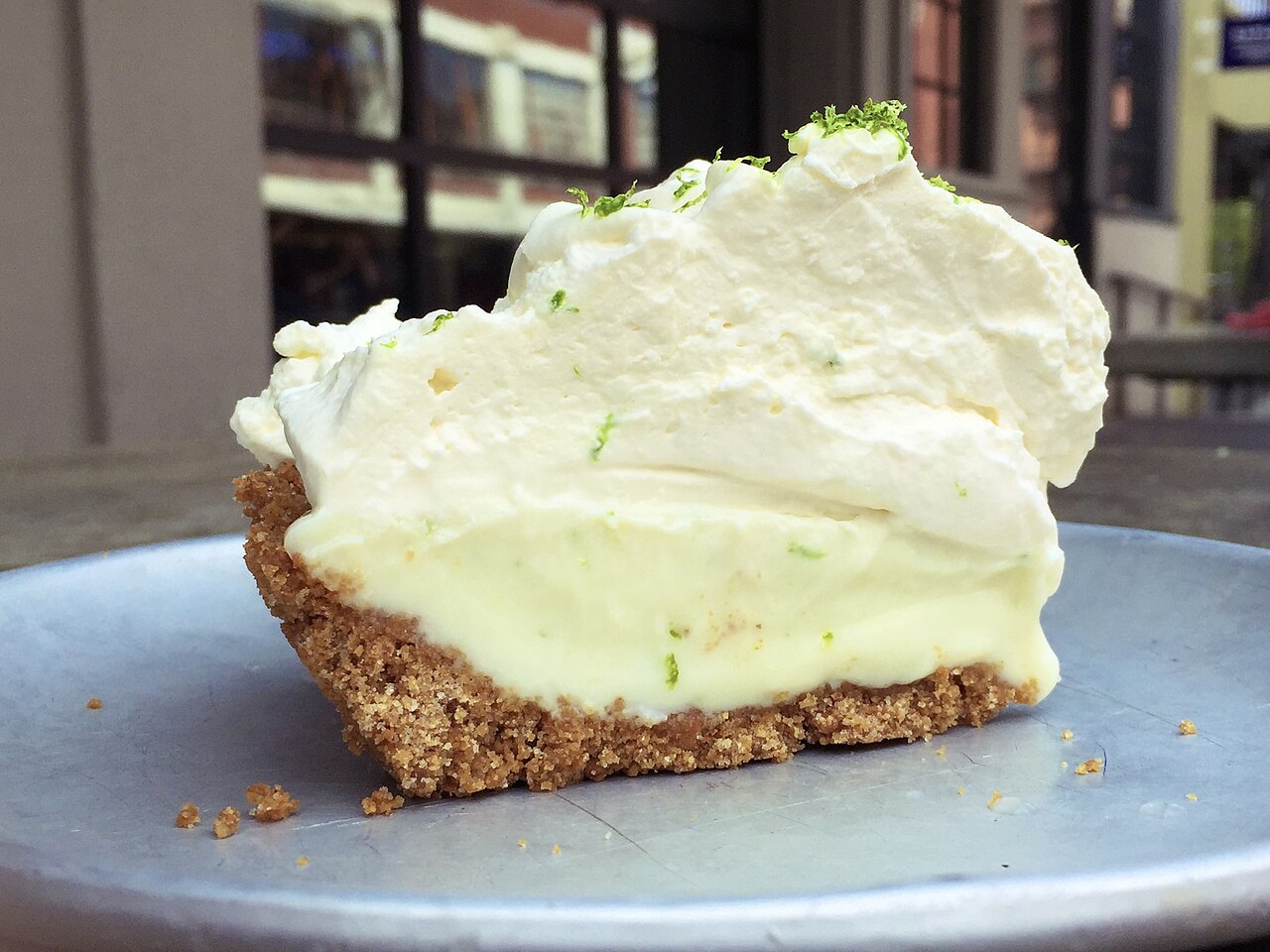
The Allure of Key Lime Pie: A Culinary Love Story
There are some desserts that transcend mere sweetness, becoming an experience, a memory, a culinary love affair. For many, the iconic Key lime pie stands as one such masterpiece. Imagine: a sun-drenched afternoon, a gentle breeze, and a slice of creamy, tart-sweet perfection that instantly transports you to the Florida Keys. It’s a moment that resonates with countless aficionados, much like the revelatory bite experienced by a fellow traveler at the historic Old Key Lime House, igniting a lifelong passion for this exquisite treat.
From its vibrant citrus tang to its cool, silky texture, Key lime pie has a unique ability to refresh and satisfy in equal measure. Whether gracing summer picnic tables, brightening holiday spreads, or starring as a birthday celebration centerpiece, its appeal is universal. The delicate balance of sweet and tart, combined with an often-nutty crust, creates a symphony of flavors that is both invigorating and deeply comforting. This beloved dessert is more than just a recipe; it’s a taste of history, a testament to culinary ingenuity, and a constant source of pure, unadulterated joy.
Tracing the Roots: Key Lime Pie's Humble Beginnings
The story of Key lime pie is as captivating as its flavor, a delicious journey rooted in necessity and resourcefulness. While its exact origins remain a subject of delightful debate among historians, many agree that this beloved dessert first emerged in the Florida Keys during the late 1800s. Back then, modern refrigeration was a luxury yet to be widely adopted, making fresh milk a rare commodity in the humid subtropical climate.
Necessity, as they say, is the mother of invention. Local cooks in the Keys turned to readily available canned sweetened condensed milk, which didn't require refrigeration. This staple, combined with the abundantly local Key limes and a few egg yolks, formed the basis of what we now know as Key lime pie. What's truly fascinating about these early versions is that they were, by definition, no-bake pies. The magic happened through a natural chemical reaction: the acidity of the Key lime juice, when combined with the proteins in the egg yolks and condensed milk, caused the mixture to thicken and set on its own, creating a custard-like consistency without ever touching an oven.
This "no-bake" tradition persisted for decades, showcasing an incredible understanding of food science long before it became a formal field. The pie was a simple, elegant solution born from the ingredients at hand, cementing its place in regional cuisine. While the Florida Keys claim is strong, another theory suggests the pie's earliest iteration might have begun in New York City with a condensed milk manufacturer, featuring lemons before Florida bakers cleverly swapped them for their local, distinctively aromatic Key limes. Regardless of the precise starting point, the Key lime pie as we know it today is unequivocally a testament to Florida's culinary spirit.
The Evolution to Perfection: Why We Bake Our Key Lime Pies Today
While the original no-bake method was ingenious for its time, the Key lime pie has undergone a significant transformation in the modern era: it's now predominantly baked. This shift wasn't merely a stylistic choice; it was driven by evolving food safety standards and a pursuit of enhanced texture.
The primary catalyst for baking the pie stems from concerns over consuming raw eggs. While the acid in the lime juice does "cook" the egg proteins to some extent, baking provides an additional layer of safety, ensuring that any potential pathogens are eliminated. Beyond safety, baking offers a distinct advantage in terms of consistency. A baked Key lime pie filling sets more firmly and boasts a wonderfully smooth, almost custard-like texture that is noticeably less "droopy" than its unbaked counterpart. The gentle heat of the oven helps the proteins in the eggs and milk bond even more thoroughly, resulting in a stable, sliceable, and utterly luxurious filling that holds its shape beautifully.
This evolution from a pragmatic, no-bake solution to a perfected, baked delicacy highlights the dessert's enduring adaptability. Bakers have embraced this modern twist, recognizing that while tradition is important, enhancing both safety and sensory experience can elevate a classic to new heights of perfection. The result is a Key lime pie that is not only safer but also richer, silkier, and undeniably more satisfying.
Crafting Perfection: Essential Ingredients for an Unforgettable Key Lime Pie
The beauty of Key lime pie lies in its deceptive simplicity. With just a handful of quality ingredients, you can create a dessert that tastes far more complex and indulgent than its components suggest. Understanding the role of each element is key to achieving that heavenly balance of sweet and tart.
The Foundation: A Flawless Crust
While a traditional pastry crust can be used, the quintessential Key lime pie often features a graham cracker crust. This choice isn't accidental; the subtle sweetness and nutty flavor of graham crackers provide a perfect counterpoint to the tart filling. Crafting this crust is delightfully straightforward:
- Graham Cracker Crumbs: Whether you crush whole crackers yourself for a fresher taste or opt for pre-crushed crumbs, consistency is vital.
- Light Brown Sugar: Adds a delicate sweetness and a hint of molasses flavor that complements the graham crackers beautifully.
- Melted Butter: The crucial binder, holding the crumbs together to form a firm, flavorful base.
- Salt: A pinch of salt is often overlooked but essential, balancing the sweetness and enhancing the overall flavor profile of the crust.
The Heart: The Luscious Filling
The filling is where the magic happens, a symphony of four core ingredients:
- Sweetened Condensed Milk: This is the workhorse of the pie, providing both sweetness and, most importantly, the thickening power. Its rich, creamy texture is indispensable.
- Key Lime Juice: The star of the show! Freshly squeezed Key lime juice is highly recommended for its distinctive, aromatic tartness, which is more floral and less acidic than regular Persian limes. If fresh Key limes are unavailable, a good quality bottled Key lime juice can be a suitable substitute, but be prepared for a slightly different flavor profile.
- Key Lime Zest: Don't skip this! The zest holds the concentrated oils and intense citrus aroma that truly define a Key lime pie. Even if using bottled juice, try to find fresh Key limes just for their zest, or use regular lime zest if absolutely necessary.
- Egg Yolks: These contribute richness, color, and act as an emulsifier and thickener, especially in the baked version, ensuring a smooth and firm custard.
The Crown: Topping Choices
The final flourish often comes in two classic forms:
- Meringue Topping: Historically more traditional, a fluffy, often browned meringue adds a beautiful visual appeal and a contrasting airy texture, with its own subtle sweetness.
- Whipped Cream Topping: A more modern and equally popular choice, light and airy whipped cream offers a cool, dairy counterpoint to the pie's intense tartness, often finished with a sprinkle of lime zest or a delicate lime curl.
Achieving the perfect balance between the tartness of the Key limes and the sweetness of the condensed milk is an art form, honed over decades of dedicated baking. This precise equilibrium is what makes a slice of Key lime pie truly unforgettable.
Conclusion
From its humble origins as a practical, no-bake necessity born out of the unique conditions of the Florida Keys, the Key lime pie has evolved into a celebrated culinary icon. Its journey from a simple chemical reaction to a perfected baked custard, driven by food safety and textural refinement, reflects a continuous quest for excellence. Whether you prefer the classic graham cracker crust or a delicate pastry, a towering meringue or a dollop of whipped cream, the essence of Key lime pie remains its vibrant, refreshing, and utterly irresistible flavor. It's a testament to the enduring power of simple ingredients, ingeniously combined, to create a dessert that transcends generations and continues to enchant palates worldwide, proving that some culinary love stories are truly timeless.
